
Borough Market, London
This website explores the key management challenges faced by street food vendors operating in Borough Market, London. The market is one of the city’s most iconic food destinations. It attracts a high volume of customers. This creates both opportunities and operational pressures. This study focuses on issues like competition, cost management, and changing consumer expectations.
ABOUT BOROUGH MARKET

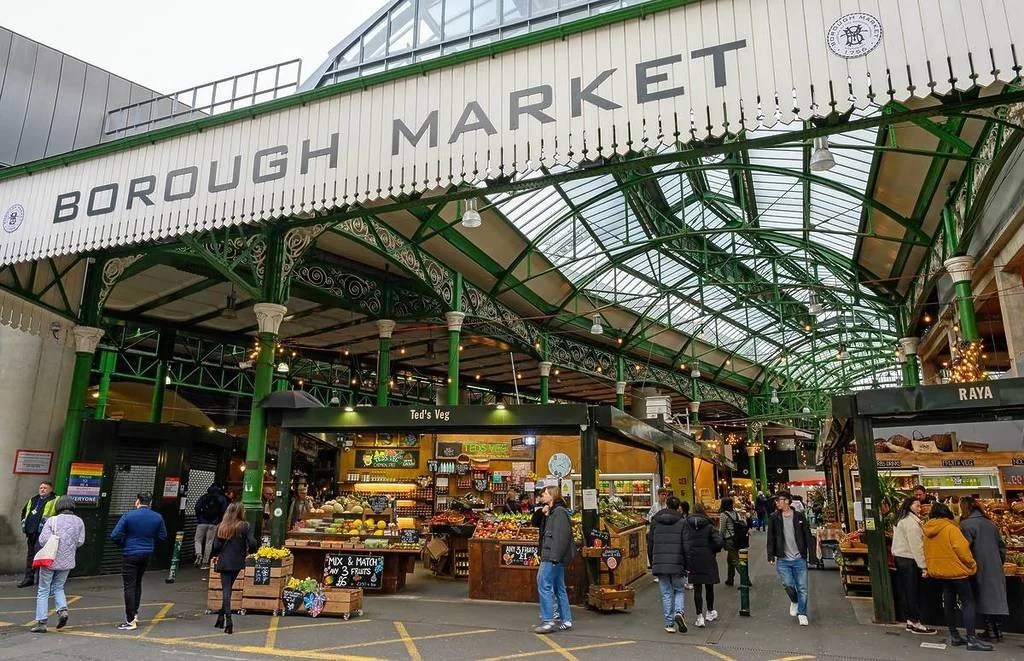
Borough Market is one of London’s oldest and most renowned food markets, located near London Bridge. It has a history dating back over 1,000 years. The market has evolved into a vibrant hub for fresh produce. It offers artisans goods and international street food. The market supports a diverse range of independent vendors and small businesses. It contributes significantly to London’s food culture and local economy.
Due to its popularity, Borough Market experiences high footfall, particularly during weekends and peak tourist seasons. While this creates strong revenue opportunities, it also introduces significant operational and management challenges for vendors.
CHALLENGES
Key Management Challenges
- High Competition
- Street food vendors at Borough Market run in a highly competitive environment. With many vendors offering similar products, businesses must differentiate themselves through quality, pricing, and customer experience.
- Rising Operational Costs
- Increasing costs of raw materials, rent, and utilities significantly impact vendor profitability. Many small vendors struggle to keep margins while keeping prices competitive.
- Regulatory Compliance
- Food safety regulations, licensing requirements, and inspections add pressure on vendors, requiring time, knowledge, and financial investment.
Key Management Challenges
- Limited Space and Infrastructure
- Vendors run in confined spaces, making it difficult to manage inventory, keep hygiene standards, and handle large customer volumes efficiently.
- Changing Consumer Preferences
- Customers are increasingly demanding healthier, sustainable, and diverse food options. Vendors must constantly adapt their menus to meet these expectations.
COMPETITION
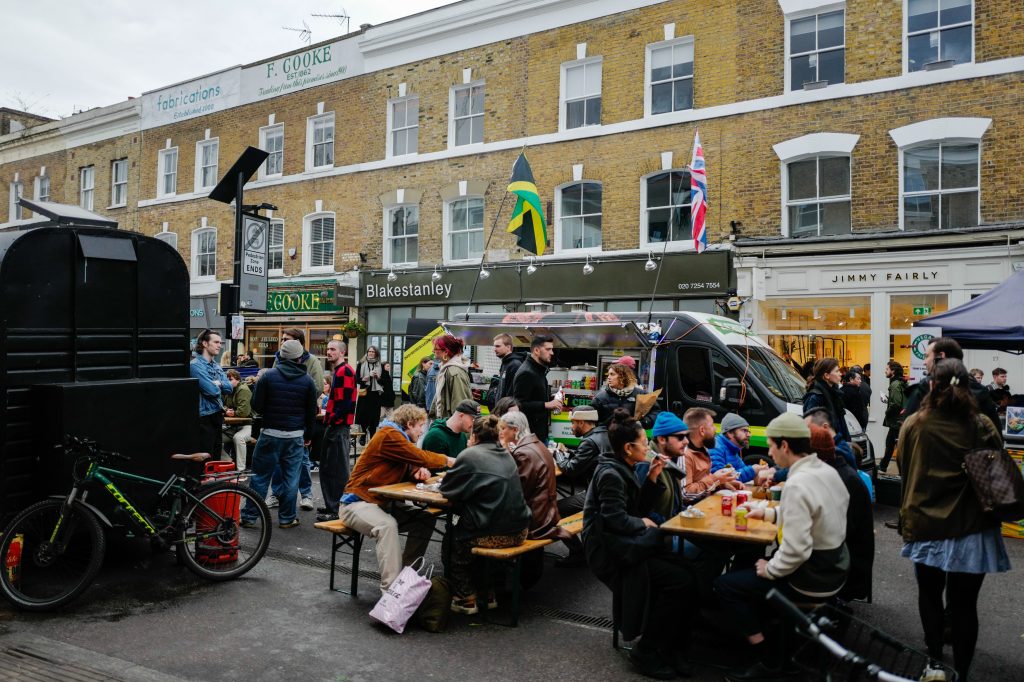
Street food vendors in Borough Market face intense competition. There is a high concentration of traders offering similar products within a limited space.
This level of competition reduces pricing power. Vendors are forced to compete primarily on price or part size. This negatively impacts profit margins and limits long-term financial sustainability. Additionally, the availability of multiple alternatives reduces customer loyalty, making it difficult for vendors to build a stable customer base.
The impact of this challenge extends beyond individual vendors. It affects the overall market environment by increasing pressure on quality and service standards.
To tackle this, vendors should adopt differentiation strategies, including unique menu offerings, high-quality ingredients, and strong branding. Enhancing customer experience and utilizing digital marketing can further improve visibility and customer retention.
OPERATIONAL CHALLENGE
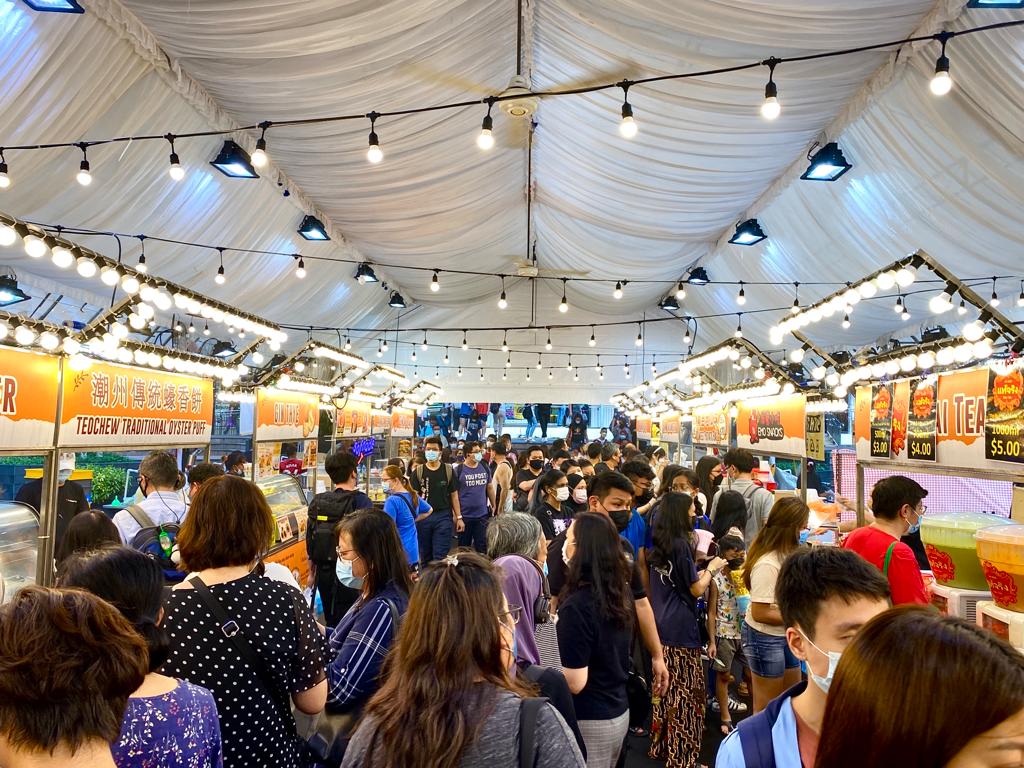
Street food vendors work within limited physical space, which creates challenges in food preparation, storage, and service delivery.
During peak periods, high customer demand leads to long queues and slower service, negatively affecting customer satisfaction. Operational inefficiencies can damage business reputation and reduce repeat customers.
From a management perspective, this highlights the importance of operational efficiency in high-pressure environments.
To overcome this challenge, vendors should streamline workflows, pre-prepare ingredients, and guarantee effective staff coordination. Implementing queue management systems can significantly improve service speed and customer experience.
COST CHALLENGE
Financial Pressures and Cost Management
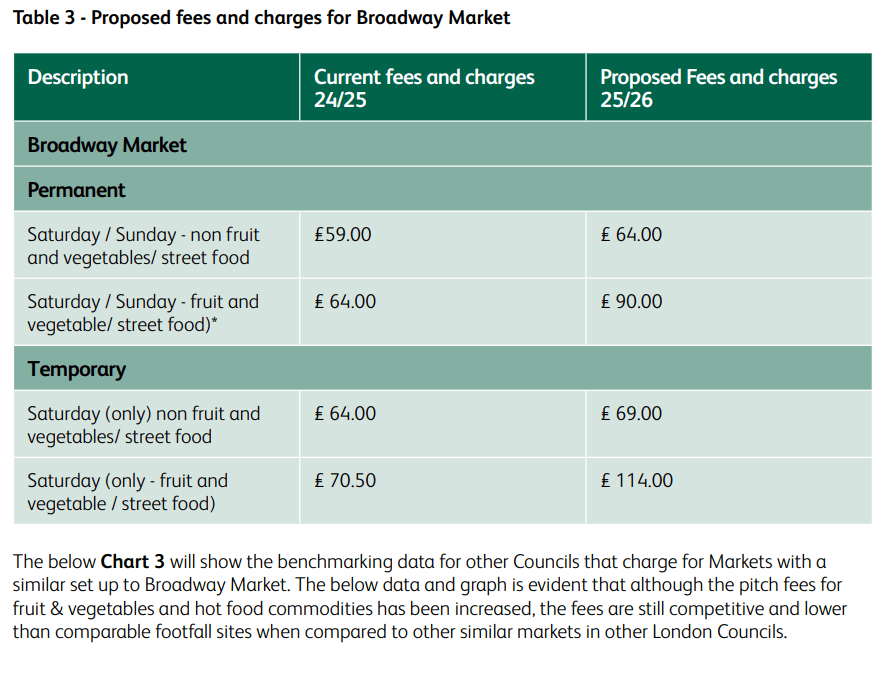
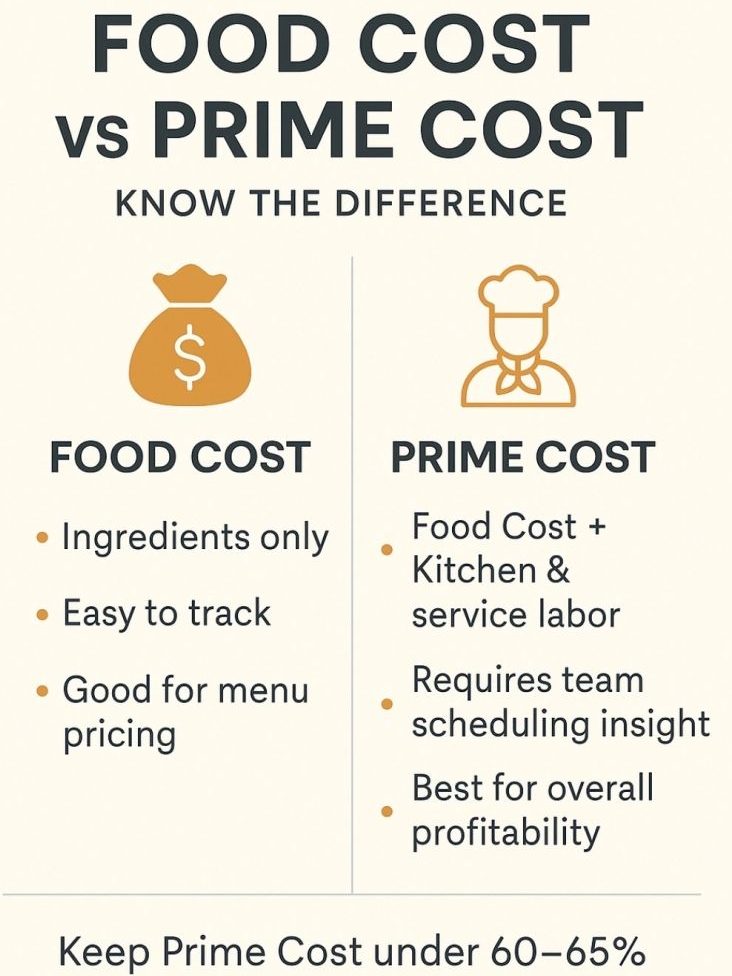
Operating in Borough Market involves high financial costs, including rent, raw materials, and utilities.
These rising costs significantly reduce profitability, particularly for small independent vendors with limited financial resources. The inability to control costs restricts business growth. It also reduces the capacity to invest in improvements, like equipment or staff training.
This creates long-term sustainability issues, as vendors struggle to balance pricing competitiveness with profitability.
To manage this challenge, vendors should implement cost control strategies. These include efficient inventory management, waste reduction, and strategic sourcing of ingredients. Dynamic pricing strategies can also help keep financial stability.
CUSTOMER BEHAVIOR
Changing Consumer Expectations
Consumer behavior within the hospitality industry is constantly evolving, and Borough Market is no exception. Customers now expect not only high-quality food but also fast service, sustainability, and unique dining experiences.

Failure to meet these expectations can lead to negative feedback and reduced customer retention. The growing demand for healthier food options places extra pressure on vendors. They need to adapt their offerings to be more sustainable.
To stay competitive, vendors must continuously watch consumer trends and adjust their menus suitably. Incorporating sustainable practices, improving food presentation, and actively engaging with customers can enhance satisfaction and strengthen brand loyalty.
REGULATIONS
Regulatory and Compliance Challenges
Street food vendors must follow strict food safety regulations and licensing requirements. While these regulations are essential for public health, they introduce extra operational complexity and cost.

Non-compliance can result in serious consequences, including fines or business closure, making it a critical area of management.
Vendors must guarantee proper management of regulatory requirements. Staff should be properly trained in hygiene practices. Compliance systems need to be consistently followed. Regular monitoring and adherence to standards are essential for maintaining both legal compliance and customer trust.
TECHNOLOGY

Digital Transformation Challenges
Many street food vendors have been slow to adopt digital technologies. This hesitation limits their ability to improve efficiency. It also affects customer engagement.
In a modern market environment, reliance on traditional ways can reduce competitiveness.
Adopting digital payment systems, utilizing social media platforms, and engaging in online marketing can significantly enhance visibility and operational efficiency.
RECOMMENDATIONS
Street food vendors need a strategic approach for long-term success. This approach should include operational efficiency, cost management, and customer-focused innovation. Embracing digital technology, improving service quality, and adopting sustainable practices are key to maintaining competitiveness in Borough Market.
CONCLUSION

Street food vendors operating in Borough Market face a complex combination of competitive, financial, and operational challenges. But, these challenges also offer opportunities for innovation and strategic growth. By adopting effective management practices, vendors can achieve long-term sustainability. Embracing change is crucial. Focusing on customer value is essential in a highly competitive marketplace.
 Borough Food Project